Paywalls have become a critical tool for digital publishers seeking to monetize content amid fluctuating ad markets. Between 2017 and 2020, the number of news outlets implementing paywalls nearly doubled each year, with adoption accelerating further in 2021 as subscriptions surged globally (Reuters Institute Digital News Report, 2022). Ad revenue plummeted by 10–15% in 2020 due to pandemic-driven cuts but rebounded sharply in 2021–2022, growing 20% year-over-year. However, economic uncertainty in 2023 led to renewed volatility, with ad spending growth slowing to 5%. This unpredictability has solidified paywalls as a stable revenue alternative, with 69% of publishers now prioritizing subscription models over ad-dependent strategies.
For those who lack the time or resources for internal development, paywall services offer a convenient way to integrate this feature with minimal effort. While paywall services are simple to implement, many factors must be considered before selecting one, such as whether the service has a sound paywall SEO strategy. Let’s take a closer look at what publishers need to consider before choosing a service.
How to Choose a Paywall Management Solution
There are various elements to paywall services that could affect how much they charge and how well they adapt to a particular site.
How They Charge
Not every paywall service generates revenue in the same way. Some may require a monthly subscription fee, others may charge on a per-customer basis, and some might take a cut of subscriber revenue. Publishers need to consider the scale of their business before selecting a paywall — depending on the number of subscribers, a revenue share deal may end up being more expensive than a flat fee.
Software Integration Options
One major point to consider is whether the paywall management solution can integrate seamlessly with other publishing software. Issues may arise if a publisher’s content management system (CMS) is not supported.
Paywall Variety and Customization
Paywall services vary in the types of paywalls they provide. There are several different types of paywalls, including soft paywalls, hard paywalls, and metered paywalls. Another aspect to consider is how adaptable a paywall is to a publisher’s requirements. For instance, can a publisher customize a paywall to activate after a certain number of visits to a site? Different monetization strategies suit different types of users better.
Data Gathering and Testing
The best paywall services collect first-party geographical and behavioral data to use in subscription campaigns. If the paywall service also includes A/B testing, publishers will be able to test and adjust their strategies in real time.
Essential Criteria for Selecting the Best Paywall Services for Publishers
Evaluating paywall services is essential for publishers seeking to monetize content effectively while maintaining a positive user experience. Below are key criteria to consider:
- User Experience (UX): Ensure the paywall provides a seamless and intuitive experience for users. Assess its customization options to match branding and interface preferences. Verify its flexibility in offering metered, freemium, or premium access models. Confirm that the paywall is optimized for mobile devices, ensuring a smooth experience across all platforms.
- Revenue Models: Evaluate whether the paywall supports various subscription models, including monthly, annual, microtransactions, and donations. Check for the availability of a pay-per-article option for users who prefer one-time purchases. Verify the ability to set up and manage trial periods (free or discounted). Ensure compatibility with multiple payment gateways, such as credit cards, PayPal, and Apple Pay. Look for features that allow discounts, promotional offers, and codes to drive subscriptions.
- Content Protection: Ensure publishers have control over which content is gated and how access is managed. Verify the ability to set granular access levels for different user groups. Assess whether the paywall includes security measures to prevent unauthorized content sharing or distribution.
- Monetization and Analytics: Confirm that the paywall provides revenue tracking and insights into subscription trends. Assess the availability of advanced analytics, including conversion rates, audience engagement, and churn analysis. Check for A/B testing capabilities to optimize paywall models and improve user conversion. Ensure the solution supports user segmentation for targeted content and marketing strategies.
- SEO and Discoverability: Verify that the paywall is SEO-friendly and allows content to be indexed by search engines while maintaining restrictions. Assess whether it supports content previewing to attract potential subscribers. Check for structured data features, such as rich snippets, to improve visibility in search results.
- Integration with Other Tools: Confirm that the paywall integrates seamlessly with your content management system (CMS) for smooth operations. Assess compatibility with third-party tools, such as analytics platforms, CRM systems, and ad management solutions. Ensure easy integration with social media and email platforms for streamlined marketing and login processes.
- Flexibility & Scalability: Ensure the solution can scale with audience growth and handle increased traffic without performance issues. Assess support for multiple languages and currencies to accommodate international users. Verify adaptability to different paywall models, such as dynamic, hard, or metered paywalls, based on evolving business needs.
- Security and Compliance: Confirm adherence to data privacy regulations, such as GDPR and CCPA, to protect user information. Verify compliance with payment security standards (e.g., PCI-DSS) for secure transactions. Assess fraud prevention measures to reduce unauthorized access and chargeback risks.
- Customer Support & Training: Evaluate the level of customer support provided, including live chat, email, and phone assistance. Check for the availability of training materials, guides, and documentation to help publishers optimize paywall implementation. Look for an active user community or forum for shared insights and best practices.
- Costs & Pricing Structure: Ensure the pricing model is transparent and free of hidden costs. Assess whether the paywall provides sufficient value for its price, considering the features and scalability offered. Verify the availability of a free trial or demo to test the platform before making a commitment.
- Customer Reviews & Case Studies: Research the paywall provider’s reputation within the publishing industry. Review customer feedback on reliability, support, and overall effectiveness. Look for case studies or success stories showcasing how the solution has helped similar publishers increase revenue and engagement.
- Innovation & Future-Proofing: Assess the provider’s commitment to regular updates and feature enhancements. Verify whether the solution adapts to changing industry trends, such as new content formats (videos, podcasts) and evolving user expectations (e.g., micro-subscriptions).
By considering these criteria, publishers can select a paywall service that effectively balances revenue generation, audience engagement, and long-term sustainability.
Ratings
Here is how we rated each platform for different parameters out of 5:
|
User Experience (UX) |
Revenue Models |
Content Protection |
Monetization and Analytics |
SEO and Discoverability |
Integration and Compatibility |
Flexibility & Scalability |
Security and Compliance |
Customer Support & Training |
Costs & Pricing Structure |
Customer Reviews & Case Studies |
Innovation & Future-Proofing |
Score |
| Leaky Paywall |
4.5 |
4 |
4 |
3.5 |
4 |
4.5 |
4 |
4 |
4 |
4.5 |
4.5 |
3.5 |
4.4 |
| Zephr |
3.5 |
4.5 |
4 |
4.5 |
3.5 |
4.5 |
4.5 |
4.5 |
4 |
3 |
4 |
4.5 |
4.4 |
| Piano |
4 |
4.5 |
4 |
4.5 |
4 |
4.5 |
4 |
4.5 |
4 |
3.5 |
4 |
4 |
4.2 |
| Poool |
4.5 |
4 |
4 |
4.5 |
4 |
4.5 |
4 |
4 |
4.5 |
3.5 |
4.5 |
4 |
4.2 |
| Membergate |
3.5 |
3.5 |
3.5 |
3 |
3 |
4 |
3.5 |
4 |
3.5 |
4 |
3.5 |
3 |
3.6 |
| Subscription Genius |
3.5 |
3.5 |
3 |
3.5 |
3 |
4 |
3.5 |
4 |
3.5 |
4 |
3.5 |
3 |
3.5 |
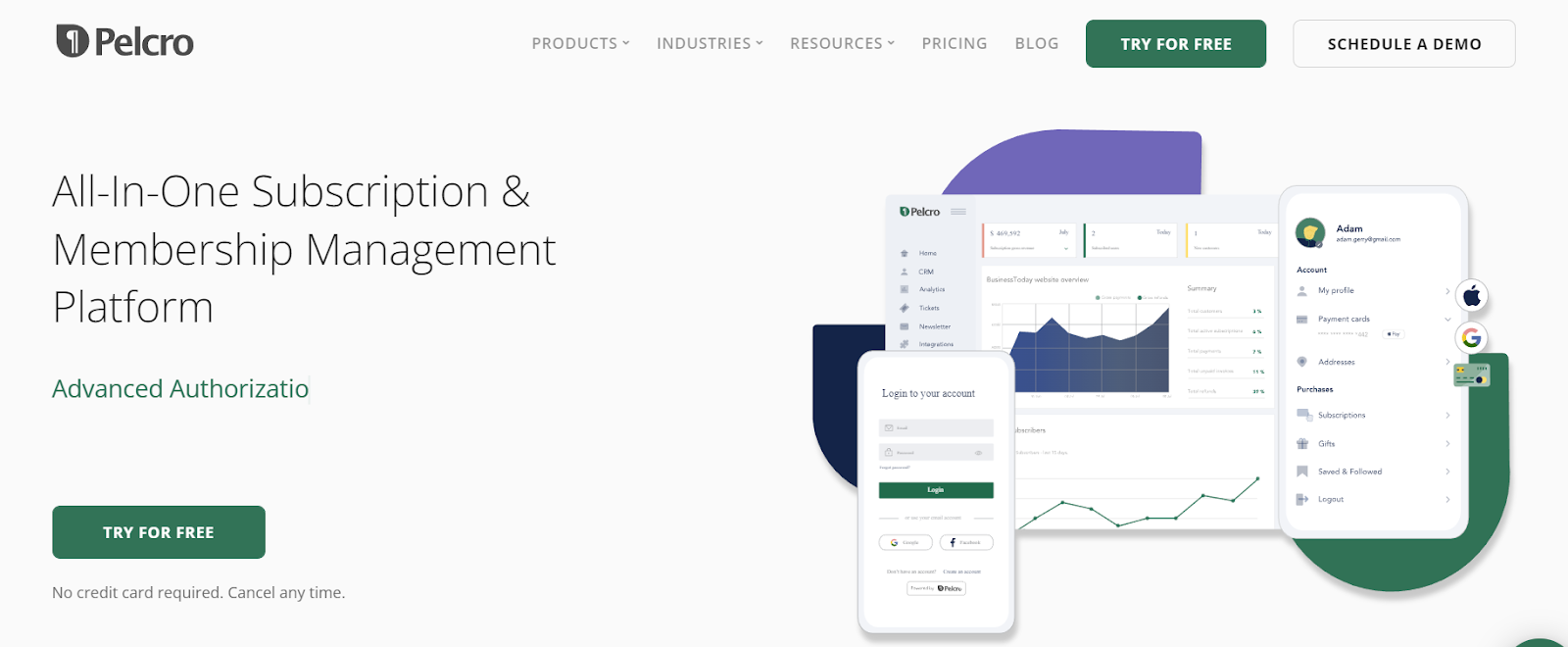
| Pelcro |
4 |
3.5 |
3.5 |
3 |
3 |
3.5 |
3 |
4 |
3.5 |
3.5 |
3 |
3 |
3.4 |
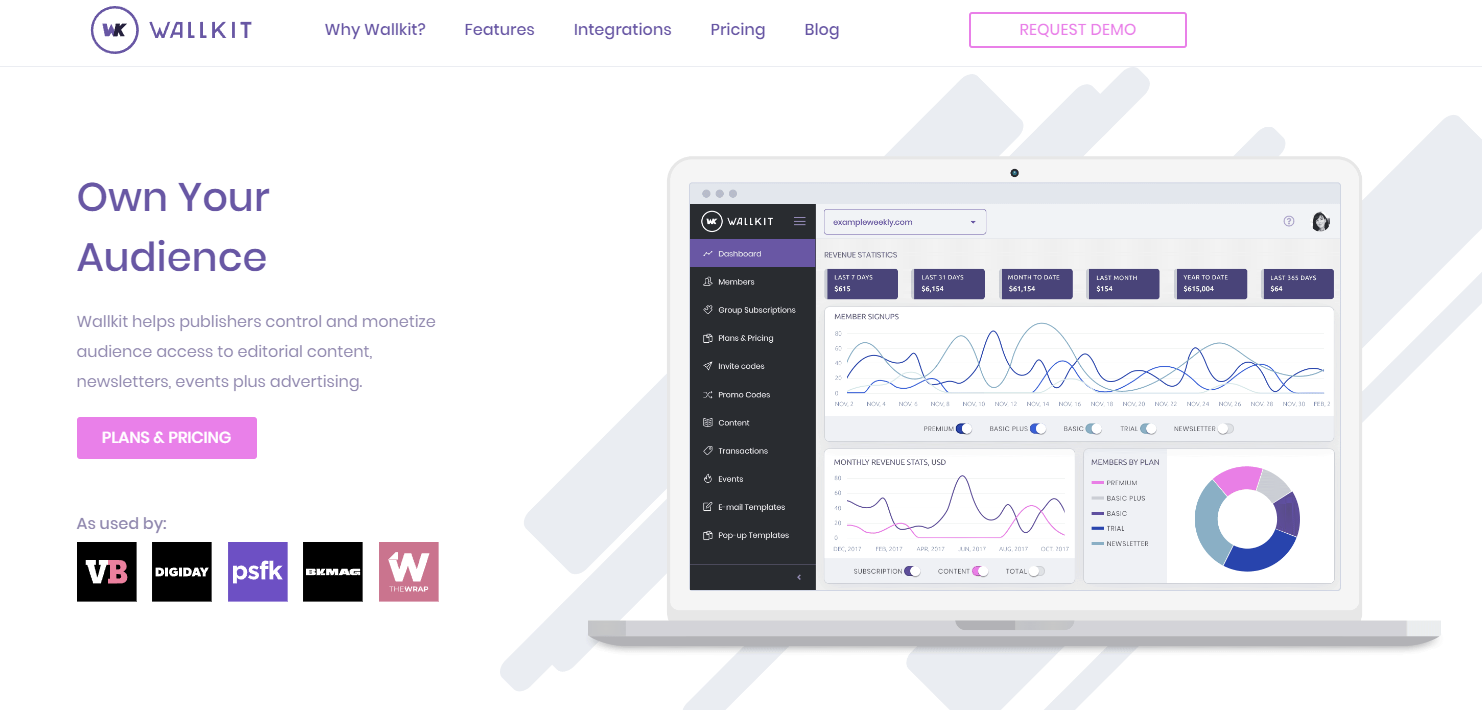
| Wallkit |
3.5 |
3 |
3.5 |
3 |
3 |
3.5 |
3 |
4 |
3 |
4 |
3.5 |
3 |
3.4 |
| Flip-Pay |
3.5 |
3 |
3 |
3 |
3.5 |
3 |
2.5 |
3.5 |
2.5 |
3 |
2.5 |
2 |
3.3 |
Final Thoughts
Paywalls are an increasingly important part of monetization strategies in digital publishing, with a subscription business providing a consistent and stable income.
However, one crucial thing to consider before implementing a paywall strategy is the effect restricting content may have on the effectiveness of a publisher’s ad inventory. For example, websites that install a paywall can see a reduction of up to 30% in daily traffic and up to 10-55% overall loss in page views.
While some publications — such as The New York Times — have experienced success with their paywall strategies, others — including The Sun and The Toronto Star — have removed their paywalls due to a loss of readership.
As 2022 came to a close, the digital publishing landscape was a mixed bag. On one hand, the number of people subscribing to more than one publication in richer countries was on the rise. On the other hand, increasing living costs saw more people canceling their subscriptions. In addition, more people than ever were actively avoiding news.
Publishers need to weigh up carefully when and how to implement paywalls, and even decide whether such a solution aligns with their content strategies. Once the decision to diversify revenue streams has been made, however, selecting the right solutions provider is the next hurdle.
The above list should have provided interested publishers with the information they need to make the right decision for their business.
FAQs
What Is a Paywall Solution?
A paywall solution is a monetization strategy where a publisher restricts access to certain premium content on their site, requiring either a subscription or some other monetary transaction before granting access. Some developers have designed software to help automate integrating paywalls onto publisher websites.
What Is a Paywalled Site?
A paywalled site restricts access to premium content to users behind a subscription or other monetary transaction. A site that displays a voluntary contribution wall before viewing content is also considered paywalled.
Is Putting Up a Paywall a Good Strategy for Publishers?
Paywalling content is a good way for publishers to monetize their content. However, publishers should consider the effects of different paywall monetization strategies — restricting access to the majority of content on a publisher’s site may impact the effectiveness of their ad inventory.